Lendings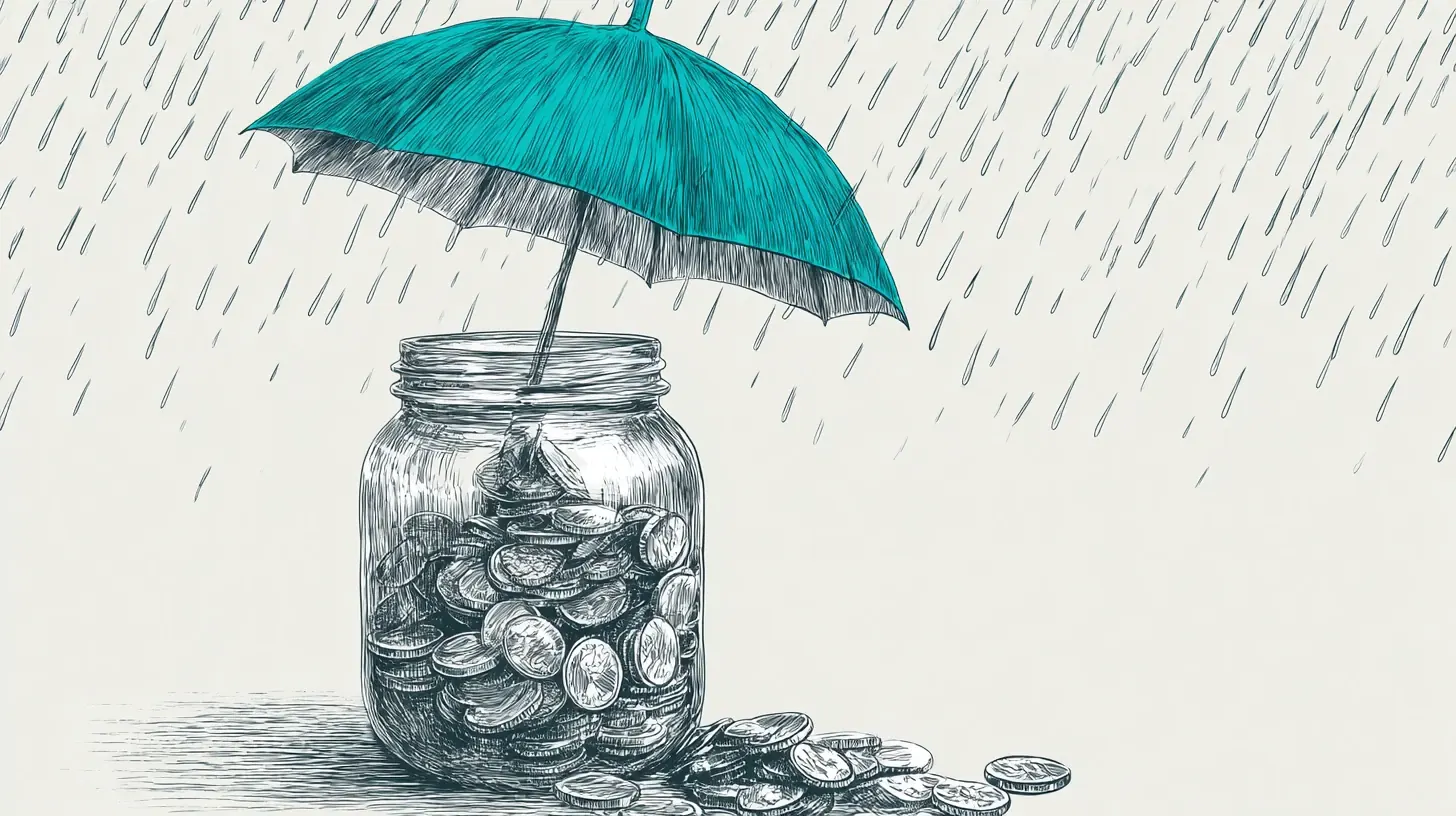
An emergency fund serves as the buffer between you and life's unpredictable moments. Without one, every unexpected expense becomes a potential crisis requiring borrowed money or difficult sacrifices. Building an adequate reserve is one of the most important steps toward genuine financial stability.
Why Emergency Funds Matter
Financial emergencies are not a matter of if but when. Research shows most American households face at least one significant unexpected expense annually — from medical bills and car repairs to job disruptions. Without designated savings, each emergency forces reactive responses involving high-interest borrowing, missed payments, or depletion of funds earmarked for other purposes. The psychological benefit is equally significant — knowing you have a cushion reduces stress and improves decision-making during difficult moments.
How Much Should You Save
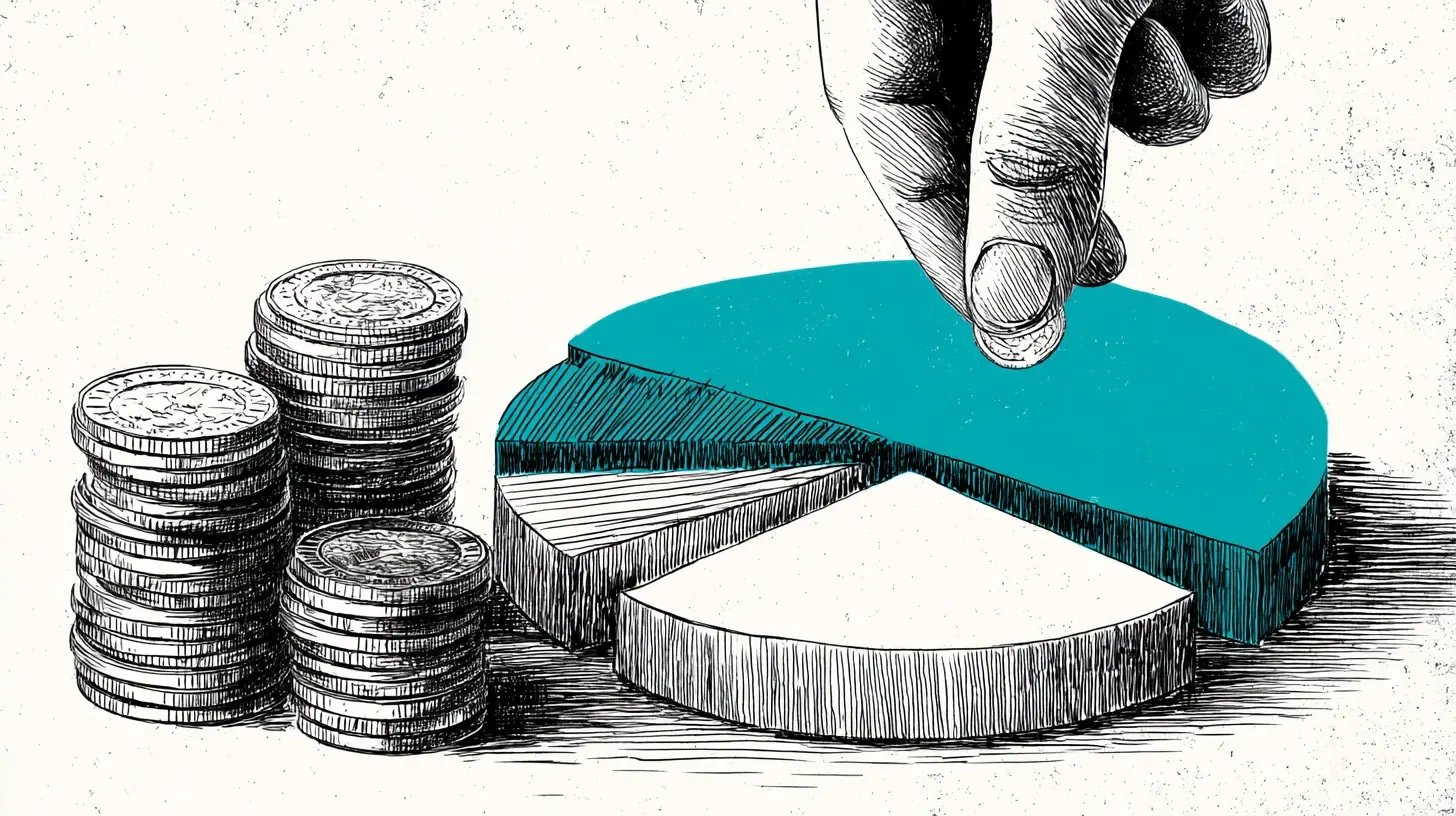
The traditional three-to-six-month recommendation serves as a starting point, but the right target depends on personal factors. Single-income households face greater vulnerability and benefit from saving toward the higher end. Those with multiple income streams or stable employment may be adequately protected with less. The practical first goal should be $1,000, covering most common emergencies. Then build toward one full month of expenses, gradually extending toward the larger target.
Where to Keep Your Emergency Fund
Emergency savings should be accessible but not so convenient that non-emergencies tempt you. A high-yield savings account at an online bank provides the ideal balance — meaningful interest while remaining accessible within one to two business days. Avoid investment accounts where market fluctuations could reduce the balance when you need it most, or checking accounts where lack of separation encourages impulsive spending.
Building Your Fund on a Tight Budget
The most common obstacle is feeling no money remains after obligations. Even modest contributions add up. Automating $25 weekly from checking to savings accumulates $1,300 annually. Start with $10 or $5 if needed — the habit matters more than the initial amount. Direct deposit splitting, where a portion of each paycheck routes automatically to savings, is another effective strategy that makes saving feel automatic rather than effortful.
When to Use Your Emergency Fund
True emergencies are unexpected, necessary, and urgent. A car repair preventing you from reaching work qualifies. An impulse purchase does not. Establishing clear criteria before an emergency occurs prevents emotional spending from depleting your safety net. If you do need to use the fund, make rebuilding it a priority in subsequent months. The fund exists to be used when genuine need arises, and replenishing it afterward maintains your ongoing protection against future uncertainties.
Emergency Funds and Personal Loans
Even with disciplined savings habits, some emergencies exceed your fund balance. In these situations, a personal loan through LendingBear provides structured, transparent borrowing that bridges the gap. The ideal financial strategy combines emergency savings for smaller disruptions with access to responsible lending for larger needs, creating a comprehensive safety system that protects against emergencies of every scale.
Building Savings Through Behavioral Design
The most effective savings strategies leverage behavioral design principles that make saving automatic and effortless. Direct deposit splitting routes a predetermined portion of each paycheck directly to savings before you see or access it. Round-up programs that transfer the difference between purchases and the next whole dollar accumulate savings invisibly through daily transactions. Scheduled automatic transfers that coincide with paydays establish savings as a non-negotiable obligation equivalent to rent or utilities.
The Insurance Connection
Emergency funds and insurance serve complementary protective roles. Insurance covers catastrophic events with premiums spread across many policyholders, while emergency funds cover the deductible amounts, copayments, and uncovered expenses that insurance leaves behind. Optimizing your insurance coverage with appropriate deductible levels based on your emergency fund balance can reduce premium costs — higher deductibles typically produce lower premiums, and your emergency savings provide the capacity to absorb those higher deductibles when needed.
Emergency Fund Milestones Worth Celebrating
Building an emergency fund is a marathon, not a sprint, and marking progress milestones maintains motivation throughout the journey. Your first $500 provides immediate protection against the most common small emergencies. Reaching $1,000 covers the majority of individual unexpected expenses. One month of expenses provides meaningful breathing room during income disruptions. Three months establishes genuine financial security. Each milestone deserves recognition and reinforces the saving behaviors that made it possible.
Emergency Fund Success Stories and Strategies
The most successful emergency fund builders share several common characteristics. They start immediately with whatever amount is available, even if it seems insignificantly small. They automate contributions to remove the monthly decision point. They keep their emergency funds in separate accounts specifically designated for this purpose, creating a psychological barrier against casual withdrawals. They define clear criteria for what constitutes a legitimate emergency before one occurs, preventing emotional rationalization during spending temptations.
The compound effect of consistent small contributions surprises many new savers. Depositing just $15 per week — roughly the cost of two fancy coffee drinks — accumulates $780 in one year. At $25 per week, the annual total reaches $1,300. At $50 per week, you build $2,600 annually. These amounts, achieved through modest but consistent effort, provide genuine protection against the majority of individual financial emergencies that American households typically face.
When Your Emergency Fund Meets a Real Emergency
The true test of an emergency fund comes when you actually need to use it. When that moment arrives, draw on the fund without guilt — this is precisely what you built it for. Access the minimum amount needed to address the situation, process any insurance claims or other recoveries that might partially offset the expense, and then immediately establish a plan to rebuild the depleted amount over the following months.
Some people hesitate to use their emergency fund even when facing genuine emergencies, preferring to use credit cards or personal loans to preserve the savings balance. While this instinct reflects positive saving psychology, it is counterproductive — paying interest on borrowed money while savings sit idle earning minimal returns is mathematically irrational. Use your emergency fund for genuine emergencies, then rebuild it. The fund exists to serve its purpose, and its value lies in being used when needed and replenished afterward for future protection.
Emergency Planning Beyond Money
A comprehensive emergency preparedness strategy extends beyond financial reserves. Maintaining adequate insurance coverage for health, auto, home, and disability prevents catastrophic expenses from exceeding any reasonable emergency fund. Keeping important documents organized and accessible ensures you can respond to emergencies without administrative delays. Having contingency plans for childcare, transportation, and housing disruptions reduces the financial impact of common emergency scenarios by ensuring you have non-financial resources available alongside your cash reserves.
Emergency Funds Across Income Levels
Emergency fund strategies must adapt to income realities. Lower-income households face the paradox of being most vulnerable to emergencies while having the least capacity to build savings. For these households, even a $250 starter fund provides meaningful protection against the most common small emergencies — a prescription copay, a minor car issue, a late fee avoidance. Building from this initial amount through consistent micro-contributions of $5 to $10 per week creates gradual but real financial resilience within a few months.
Middle-income households typically have more capacity to build savings but face competing demands from lifestyle expectations, children's activities, and the desire to maintain a standard of living that sometimes stretches to the limits of available income. For these households, the key is establishing the emergency fund as a non-negotiable priority that takes precedence over discretionary spending categories until the target is reached. Treating savings as a fixed bill due on payday — before any discretionary spending occurs — ensures consistent progress regardless of other financial temptations.
Higher-income households benefit from larger savings capacity but sometimes neglect emergency funds because their higher income creates a false sense of security. High earners often carry correspondingly high fixed obligations — larger mortgages, multiple car payments, private school tuition — that make income disruptions equally devastating at their expense level. A six-month emergency fund for a household spending $8,000 monthly requires $48,000 in liquid savings, a substantial sum that takes deliberate effort to accumulate even with a generous income.
The Relationship Between Emergency Funds and Financial Confidence
The psychological impact of emergency savings extends far beyond the specific dollar amount in the account. Research consistently shows that people with emergency funds report higher levels of financial confidence, lower financial stress, better sleep quality, improved workplace productivity, and stronger personal relationships. The security blanket effect of knowing that unexpected expenses will not create financial crises fundamentally changes how you experience daily life, reducing the ambient anxiety that financial vulnerability produces.
This confidence translates into better financial decision-making across all areas. People with emergency funds make more deliberate spending choices, take fewer financial shortcuts driven by desperation, and negotiate more effectively in financial interactions because they operate from a position of stability rather than scarcity. The emergency fund is not just a financial tool — it is a psychological foundation that supports better decisions in every financial domain of your life.
The Psychology of Emergency Savings
Building an emergency fund requires a psychological shift in how you relate to money. Successful savers develop future-self empathy — prioritizing tomorrow's security alongside today's desires. One effective technique is mentally labeling your emergency fund as already spent. When you transfer money to savings, treat it as a paid obligation rather than reclaimable cash. This mental accounting reduces the temptation to raid savings for non-emergencies.
Tiered Emergency Fund Strategy
Financial advisors recommend tiered accessibility. Keep approximately $500 in checking for immediate same-day expenses. Place the bulk of your fund in a high-yield savings account accessible within one to two business days. This structure maximizes earning potential while ensuring funds match the speed each emergency demands — a tow requires same-day cash while a home repair might allow transfer time.
Emergency Fund Maintenance
An emergency fund requires ongoing maintenance. After using funds, rebuilding becomes your top priority. Annual reviews assess whether your target remains appropriate based on expense changes, income shifts, family growth, or job stability evolution. Inflation gradually erodes purchasing power, making high-yield accounts that keep pace with or exceed inflation essential for maintaining your safety net's real value over time. The difference between traditional savings at 0.01% and high-yield accounts at 4 to 5 percent compounds significantly on fully-funded reserves.
Coordinating Emergency Savings with Borrowing Access
Even disciplined savers occasionally face emergencies exceeding their fund balance. Having both emergency savings and access to responsible lending creates a comprehensive safety system. Your fund handles smaller disruptions independently, while personal loans through platforms like LendingBear bridge the gap for larger needs. This dual approach provides protection against emergencies of every scale without relying exclusively on either savings or credit alone.